Cormac is rethinking how roads are built - proving that greener solutions can also be more cost-effective.
Traditionally, asphalt production is highly energy intensive. Thousands of tonnes of aggregate and bitumen are heated to between 160°C and 180°C consuming large amounts of energy and generating significant carbon emissions.
That’s where lower temperature Warm Mix Asphalt (WMA) comes in…
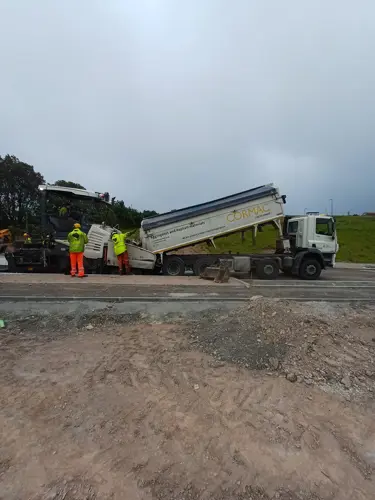
By producing and laying asphalt at temperatures up to 35°C lower than traditional methods, WMA reduces fuel use by typically 10–25% during manufacturing at Cormac's quarry. The result is lower costs, reduced greenhouse gas emissions, and a more sustainable approach to highway infrastructure and carriageway surfacing.
Importantly, there’s no trade-off in quality. WMA delivers the same performance and lifespan as conventional asphalt, while offering real advantages on site. Its improved workability makes it easier to lay and compact, helping our teams complete resurfacing projects more efficiently. Roads can also be reopened sooner—minimising disruption for road users and local communities. This is achieved by blending small quantities of environmentally friendly additive via a state-of-the-art dosing system.
While the UK industry is still transitioning toward lower temperature asphalts, 96% of asphalt production at Cormac’s Castle Quarry is already Warm Mix. Last year alone, over 78,000 tonnes was produced, saving approximately 92,000 litres of fossil fuel (equivalent to driving a typical diesel car around the world 42 times!).
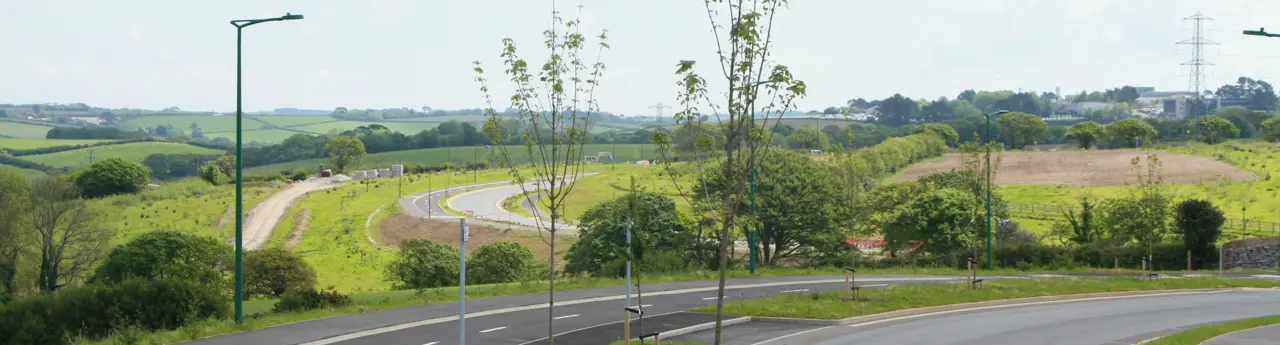
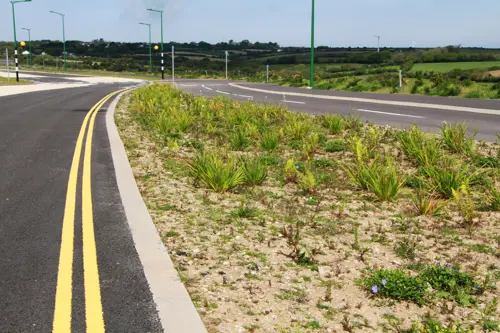
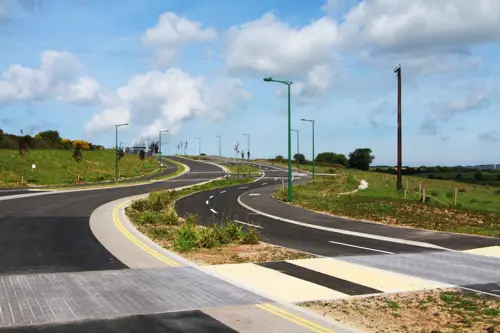
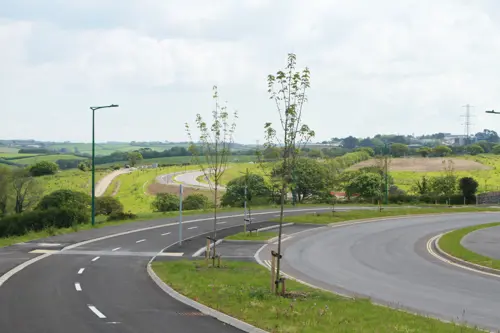
One of the most significant examples of this success is the Northern Access Road project, where more than 43,000 tonnes of Warm Mix Asphalt have been manufactured and laid over the last three years. The project demonstrates that lower-carbon surfacing solutions can be delivered at scale, providing substantial environmental benefits while maintaining the durability, performance and efficiency expected on major highway infrastructure schemes.
Steve Trevor, Cormac’s Head of Aggregates, explains:"Lower temperature asphalt is transforming how we operate—reducing energy and emissions while improving efficiency on the ground. It’s a win for our business, our customers, and the environment."
Email: contactus@corservltd.co.uk